

Heating Systems in Grade II Listed Homes
How to install, upgrade and maintain heating in a listed property without compromising your consent or your interior.
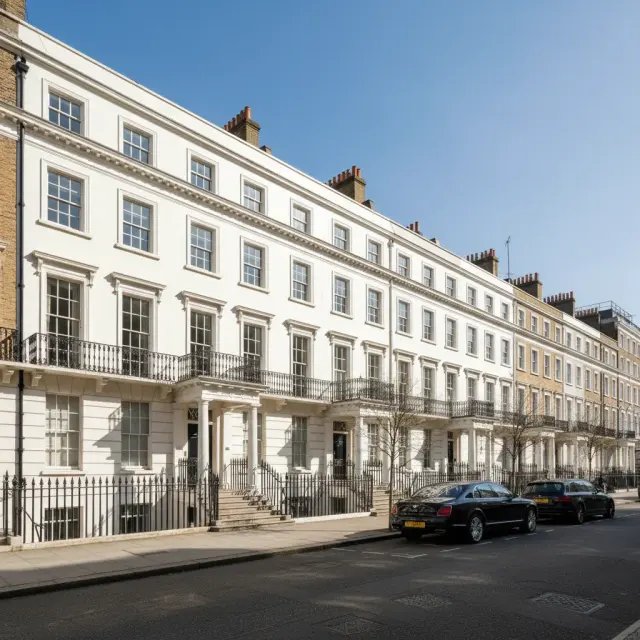
London has more Grade II listed buildings than any other city in the UK. Mayfair, Belgravia, Marylebone, Kensington and Chelsea are filled with Georgian and Victorian townhouses that carry statutory protection — and with that protection comes a specific set of constraints when it comes to heating, boiler installation and pipework.
At RARE, a large proportion of our clients live in listed properties. Over the years we have navigated Listed Building Consent applications, worked alongside conservation architects, and developed a set of approaches that deliver modern, efficient heating without compromising the integrity of these extraordinary homes.
What counts as notifiable work in a listed building?
Listed Building Consent is required for any works that affect the character of the building — inside or outside. This is broader than most homeowners assume. The following heating-related works almost always require consent:
- Installing a new boiler in a location requiring structural alteration (e.g. creating a new plant room)
- Running a new flue through an external wall or roof that is visible from the public highway
- Lifting original floorboards to install wet underfloor heating circuits
- Boxing in radiator pipework in original panelled rooms or on staircases
- Removing an original fireplace to create a boiler cupboard
Like-for-like boiler replacement in the same location, with the same flue route, does not typically require consent — but it is always worth confirming with your conservation officer before proceeding.
Flue routes in listed properties: the core challenge
The single biggest constraint in listed building boiler installation is the flue. A conventional room-sealed boiler requires a balanced flue — a concentric pipe that supplies combustion air and exhausts gases simultaneously. In a standard property, this exits through a rear wall. In a listed property, this is often not acceptable to the conservation officer, particularly on front or side elevations or in conservation areas.
The solutions we regularly deploy include:
Vertical Flue to Roof
The most conservation-friendly option. The flue rises vertically through a concealed duct — often through an existing service void — and terminates above the roofline, hidden by a period-appropriate cowl.
Rear Elevation Exit
Where access to the rear is possible without planning issues, a low-level rear exit avoids visible front-elevation penetration. Common in Belgravia mews properties and garden-level flats.
Plant Room Relocation
For larger townhouses undergoing refurbishment, relocating the boiler to a basement plant room creates far more flexibility — both for the flue route and for future maintenance access.
Balanced Flue Extensions
Approved flue extension systems allow the boiler to be sited away from an external wall, giving greater freedom in deciding where the terminal exits the building.
Underfloor heating in listed properties
This is a question we are asked frequently by clients refurbishing listed townhouses. The answer depends entirely on the floor construction and what the floors are finished with.
Suspended timber floors
Electric heating mats or loose heating cables can often be installed in the floor void without lifting the original boards — provided access is available from below. Wet underfloor heating almost always requires board removal, which triggers consent.
Stone or tile floors on solid subfloors
If a full refurbishment is planned anyway (floor build-up, DPM works, new tiles), wet UFH is entirely achievable. The key is coordinating with the conservation officer and architect early in the design phase.
Original parquet or herringbone floors
These are the most sensitive. Any works disturbing original flooring in a listed building require consent and detailed justification. Electric systems under a screed overlay may be possible, but specialist assessment is required.
Radiators and pipework in period interiors
Period-sensitive interiors require radiators that respect the architecture. We regularly specify and supply:
- Cast iron column radiators in period-appropriate sizes and finishes
- Skirting heating systems that eliminate visible radiators entirely
- Concealed fan-coil units in cabinetry or plinths
- Low-surface-temperature radiators for nurseries and utility rooms
- Custom-powder-coated steel panels matched to interior palettes
Pipework routing through listed properties requires particular care. Where original joinery, cornicing or plasterwork is involved, we work in close collaboration with the client's architect or interior designer to agree chase routes and closure methods before any work begins.
Planning a heating upgrade in a listed property?
RARE's engineers have deep experience with listed buildings across Mayfair, Belgravia, Marylebone and Kensington. We can guide you through consent, design and installation from start to finish.
Frequently Asked Questions
Can I install a new boiler in a Grade II listed property in London?+
Yes, but it requires Listed Building Consent from your local planning authority. The boiler location, flue route and any structural work must be approved in advance. RARE has extensive experience navigating this process for clients across Westminster, Camden and RBKC.
What are the restrictions on flue positioning in listed buildings?+
Flues must not be visible from the public highway on a listed building without express consent. This often rules out conventional through-wall flues and requires concealed vertical flue routes through the roof — which adds complexity but is entirely achievable.
Can underfloor heating be installed in a Grade II listed home?+
Electric underfloor heating in existing floor voids is generally possible without Listed Building Consent. Wet underfloor heating requiring floor disruption almost always requires consent. We advise assessing the specific floor construction first.
Who approves heating work in a listed building?+
Your local conservation officer at the planning authority. For properties in conservation areas across Mayfair, Belgravia or Kensington, this is typically Westminster City Council or the Royal Borough of Kensington and Chelsea. Works must not alter the character of the building.
Do RARE engineers have experience with listed properties?+
Yes — a significant portion of our client base lives in listed properties across prime Central London. We work closely with conservation officers, architects and interior designers to deliver compliant, high-quality heating installations.
Listed Property Specialists
Conservation-compliant heating for London's finest listed homes.
020 7458 4949Book a SurveyRelated Services