
Quick Answer
Learn how gas supply works in homes to ensure safety and efficiency. Understand the system and what to do in case of a gas leak.
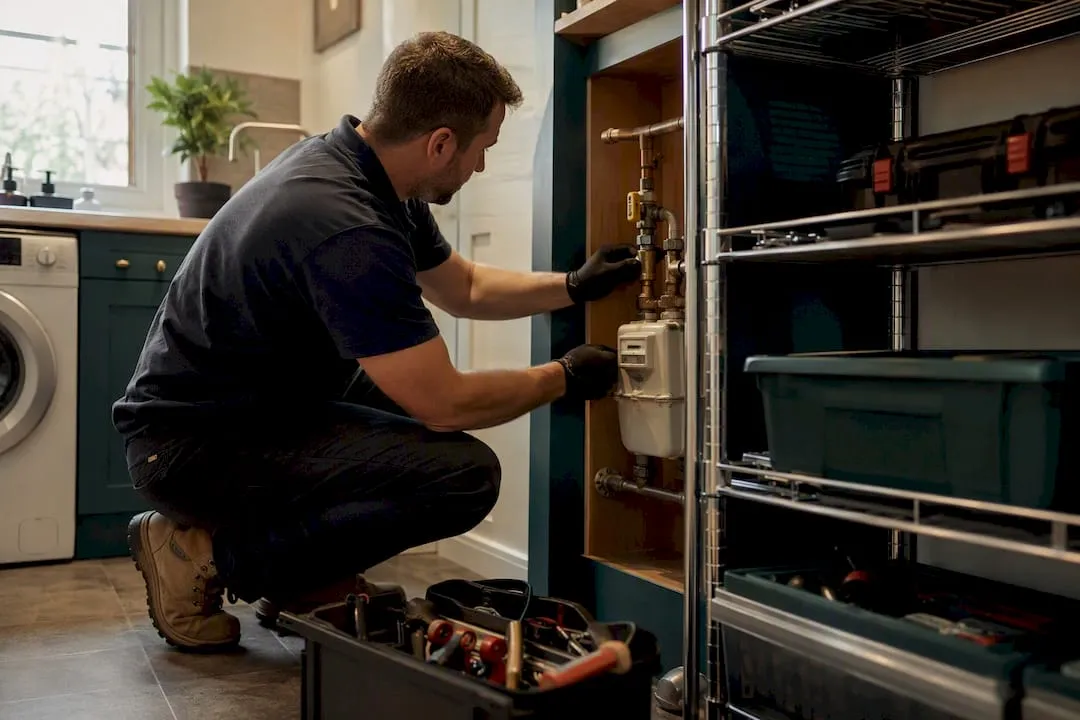
Gas moves through a home in a fixed sequence: from the meter, through the emergency control valve (ECV), along the installation pipework, and into appliances via a flue that clears combustion by-products safely outside, understanding how gas supply works in homes is the first step to managing it properly. Only a Gas Safe registered engineer may work on any part of this system, and landlords must arrange a yearly safety check on every appliance and flue, keeping the records for the required minimum period. If you smell gas or suspect a fault, act immediately:
- Turn off the suspect appliance and shut off the supply at the meter or ECV if you can reach it safely
- Open windows and doors to ventilate the area
- Leave naked flames, switches, and electrical items alone
- Call a Gas Safe registered engineer before using the appliance again
Key Takeaways
Domestic gas supply runs from the meter through the emergency control valve into installation pipework and appliances, and only a Gas Safe registered engineer may legally work on any part of it.
| Point | Details |
|---|---|
| Know the system flow | Gas travels meter to ECV to installation pipework to appliances, with flues removing combustion gases safely. |
| Annual checks are mandatory | Landlords must arrange yearly Gas Safe safety checks and keep records for at least two years. |
| Maintenance beats a single certificate | A preventative plan between annual checks catches faults a snapshot inspection misses. |
| Standards matter for new work | BS 6891 and IGEM guidance govern materials, pipe sizing, and tightness testing at commissioning. |
| Rareplumbing delivers compliance and speed | Gas Safe registered engineers offer fixed quotes, 2-hour emergency response, and documented maintenance plans for luxury properties. |
How the residential gas supply system is built, component by component
A domestic gas installation is really three distinct zones stitched together, and knowing where one ends and the next begins matters enormously when something goes wrong. IGEM G1 sets the industry definition of where the network stops and the property owner’s installation pipework starts, typically at the outlet of the meter. Everything downstream of that point is the homeowner’s or landlord’s responsibility to maintain.
- The meter. This measures gas volume and marks the boundary between the gas transporter’s network and your installation pipework. Larger properties with higher demand may need an upgraded meter to handle the load, a point worth raising with your engineer before any major renovation.
- The emergency control valve. Usually a lever fitted close to the meter, the ECV lets you cut gas supply to the entire property in seconds. Every occupant and member of staff should know exactly where it is.
- Installation pipework. This carries gas from the meter to each appliance, typically running through walls, floor voids, and service risers in period and new-build luxury homes alike.
- Isolation valves. Fitted at individual appliances, these allow a single boiler or hob to be isolated without shutting down gas to the whole property.
- Flues and ventilation. These remove combustion gases, including carbon monoxide, and supply the air a boiler or fire needs to burn safely.
That last point carries real weight. HSE guidance for homeowners recommends annual servicing specifically because poorly maintained appliances and blocked flues are a leading cause of carbon monoxide incidents in UK homes. A flue that looks fine from the outside can still be partially obstructed or corroded internally, which is exactly why visual checks alone are not enough.
What the law and HSE guidance actually require of landlords
Compliance here is not optional, and the rules are more specific than most owners assume. The Gas Safety (Installation and Use) Regulations 1998 require landlords to have every gas appliance and flue in a rented property checked annually by a Gas Safe registered engineer, with records retained for a minimum of two years, as confirmed in HSE’s landlord guidance.
A safety check is a snapshot in time. It confirms an appliance is working correctly on the day of the visit, but it says nothing about what happens in the eleven months either side of it.
That distinction between a safety check and genuine maintenance is one HSE draws out explicitly in its guidance on appliance maintenance, and it is where many high-value properties fall short. A certificate in a drawer is not a maintenance strategy.
Only Gas Safe registered engineers may legally carry out installation, repair, or servicing work on domestic gas systems. Before any engineer starts work:
- Ask to see their Gas Safe ID card
- Check the back of the card for the specific categories of work they are licensed to carry out (boilers, cookers, and gas fires are separate competencies)
- Confirm flue and ventilation arrangements comply with current Building Regulations and BS standards, since older properties often have retrofitted appliances that were never checked against modern requirements
Materials, standards, and testing behind a compliant gas installation
Anyone commissioning new pipework or approving a quotation should know what “compliant” actually looks like on paper. BS 6891 is the governing standard for domestic low-pressure gas pipework, covering pipe sizing, routing, and jointing methods, alongside relevant IGEM technical documents that define network boundaries and installation practice.
- Copper half-hard tube is the standard material for internal above-ground pipework in most luxury properties
- Yellow MDPE (medium-density polyethylene) is used for buried service pipes outside the building
- CSST (corrugated stainless steel tubing) is sometimes specified for flexibility around structural obstacles, but it requires correct bonding and mechanical protection, since it is more vulnerable to damage from nearby electrical faults than rigid pipe
Every new installation, and every alteration to existing pipework, must pass a tightness test before it goes into service. Domestic tightness testing is typically carried out at a nominal pressure around 20 millibar, with the engineer checking for permissible movement on a gauge over a set period, and a let-by test confirming that valves do not leak. Any repair to existing pipework should trigger a re-test before the system is signed off again.
Meter sizing matters more than most owners realise. Meter capacity should be appropriate to the property’s gas demand, with larger properties requiring meters suited to higher flow rates to avoid pressure drops during peak usage.
Building a preventative maintenance plan and spotting fault signs early
Relying solely on the annual certificate leaves an eleven-month gap where problems can develop unnoticed. A proper preventative programme for a high-value property should include:
- Visual inspection of exposed pipework for corrosion, movement, or damaged supports
- Flue and terminal checks to confirm nothing is obstructing the outlet
- Verification of equipotential bonding on gas service pipes and any CSST connections, a step that gets missed more often than it should
- Leak-detection spray tests at accessible joints
- A review of appliance-specific service records against manufacturer intervals
When your engineer completes the annual check itself, ask for a written record of what was tested on each appliance, not just a pass certificate. That paperwork matters enormously if a property changes hands between managers or agents.
Pro Tip: Keep a single digital folder per property containing every gas safety certificate, maintenance invoice, and engineer’s note. When ownership or management changes, that folder should transfer with the keys, not get lost in an email inbox.
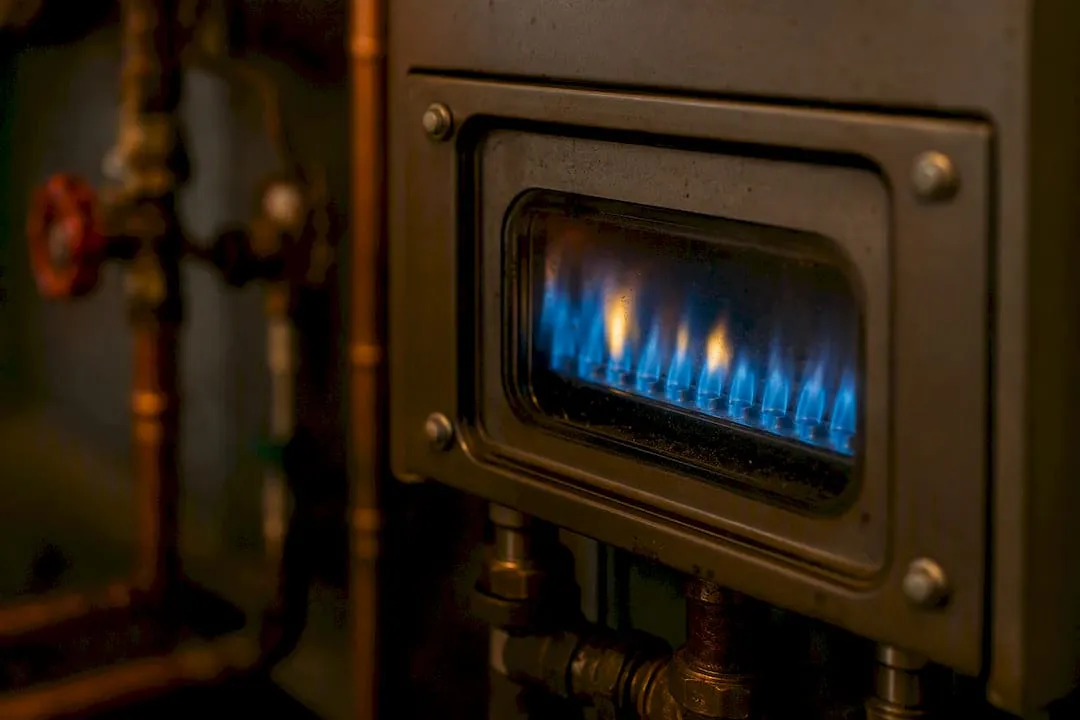
If you notice a hissing sound near pipework, a sulphurous “rotten egg” smell, a yellow or flickering boiler flame instead of a crisp blue one, or soot staining around an appliance, treat it as an emergency: shut off supply, ventilate, and call a Gas Safe engineer immediately, as HSE recommends for any suspected fault.
Managing gas systems in large or multi-occupancy luxury properties
Complexity multiplies fast once a property has multiple wings, a basement plant room, or shared services with neighbouring units. Clear boundary definitions become essential here, and IGEM’s own guidance on network boundaries stresses that permanent line diagrams and labelled valves cut emergency response time dramatically when something needs isolating fast.
- Larger-diameter pipework (generally 25mm or above) typically requires additional isolation valves and dedicated pressure test points, so ask your engineer to confirm these exist and are documented
- Shared flues and communal boiler plant need coordinated inspection access, since one owner’s maintenance schedule can’t override another’s occupancy
- Facilities teams, meter owners, and gas transporters all need a single point of contact for scheduling, particularly where several parties share responsibility for the same plant room
Why RARE Heating & Plumbing Services fits this brief
Rareplumbing has operated across Central London’s most demanding properties for over 25 years, with a fully Gas Safe registered team carrying out every job to the standards outlined above.
- Fixed quotes agreed before work begins, so there are no surprise costs on complex commissioning jobs
- A 2-hour emergency response for genuine gas faults
- Specialist experience with boiler installation, hot water cylinder servicing, and underfloor heating in high-end residential settings
- Documented maintenance plans built around annual safety checks rather than one-off visits
An engineer’s checklist worth running this week
Most gas faults in high-value properties trace back to something simple that nobody checked recently. Before the next safety check comes round, walk the property and confirm the following: the ECV is clearly labelled and genuinely accessible, not buried behind furniture; you know the exact date of the last safety check and where the certificate is filed; carbon monoxide alarms are fitted near every appliance and tested; no visible obstruction sits near flue terminals outside; exposed pipework is properly supported rather than resting on brackets that have shifted; and a maintenance plan exists in writing, not just as a verbal arrangement with whoever did the last job.
If any of those checks throw up a doubt, that is the moment to bring in a Gas Safe registered engineer rather than wait for the annual visit to catch it.
— Paresh
Book a gas safety check or maintenance plan with RARE
There are other ways to keep a property’s gas system compliant: a one-off call-out when something breaks, or juggling separate contractors for the boiler, the pipework, and the annual certificate. Rareplumbing offers a single point of contact instead, with Gas Safe registered engineers who handle the safety check, the maintenance plan, and any repair under one fixed quote agreed before work starts. That matters most in a multi-occupancy or high-value property, where coordinating several tradespeople against one compliance deadline usually costs more time than it saves. Rareplumbing’s gas engineer service covers everything from annual safety checks to emergency repairs with a 2-hour response window, and its membership plans build ongoing maintenance into a single scheduled arrangement rather than a series of separate call-outs. If your property’s last gas safety check is more than eleven months old, book a check now rather than waiting for the certificate to lapse.
Sources
- Registered gas engineer — regulated professions service
- IGEM G1: Defining the end of the network
- Gas safety - Home owners - HSE
FAQ
How does gas supply work in a home?
Gas flows from the meter through the emergency control valve into installation pipework, then to individual appliances via isolation valves, with flues removing combustion by-products safely.
Who is allowed to work on a home’s gas system?
Only a Gas Safe registered engineer may legally install, repair, or service domestic gas systems; always check their ID card for the specific work categories they’re licensed for.
How often do landlords need a gas safety check?
Landlords must arrange an annual gas safety check on every appliance and flue, and keep records as legally required.
What should I do if I smell gas?
Shut off the supply at the meter or emergency control valve, open windows to ventilate, avoid naked flames or switches, and call a Gas Safe registered engineer immediately.
What’s the difference between a gas safety check and maintenance?
A safety check confirms an appliance works correctly on a single day; ongoing maintenance covers pipework inspection, bonding checks, and leak testing throughout the year, which Rareplumbing builds into its property maintenance plans.
Recommended
Talk to a specialist today.
Our Gas Safe engineers are available same-day across Central and North London. No call-out charge quoted upfront. No obligation.
Related Services