

Quick Answer
Discover effective ways to minimise heating downtime for tenants. Learn about maintenance, reporting, and legal responsibilities to keep warm.
TL;DR:
- Heating downtime occurs when heating systems fail to provide adequate warmth, leaving tenants without heat. Prompt reporting, regular professional maintenance, and hiring Gas Safe engineers reduce repair delays and prevent breakdowns. Tenants should report faults in writing immediately and avoid DIY gas repairs to ensure safety and compliance.
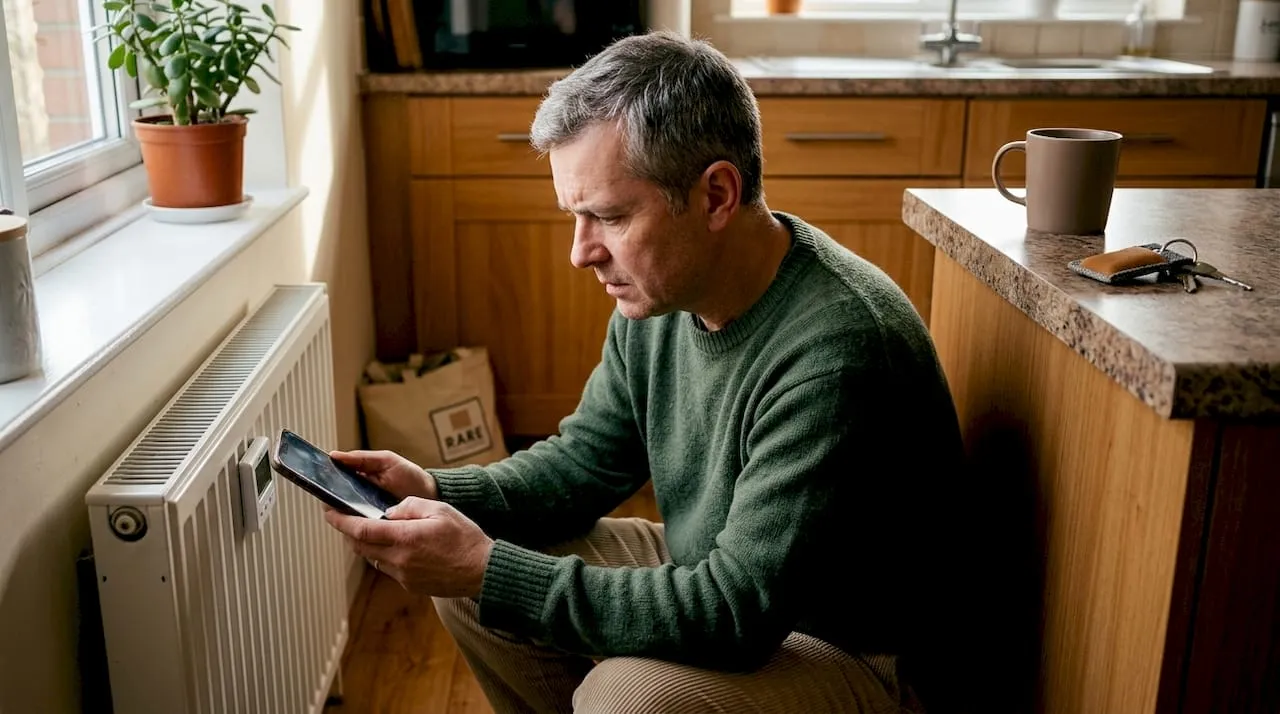
Heating downtime is defined as any period when a residential heating system fails to deliver adequate warmth, leaving tenants without a functioning boiler or radiators. The most effective ways to minimise heating downtime for tenants combine proactive maintenance, prompt fault reporting, and clear understanding of legal repair timelines. Under Section 11 of the Landlord and Tenant Act 1985, landlords carry a legal duty to keep heating systems in working order. Tenants, in turn, hold real responsibility for early reporting and safe system care. When both parties act quickly and correctly, the gap between fault and fix shrinks dramatically.
What are tenants’ and landlords’ responsibilities for heating?
Landlords carry the primary legal duty to repair heating systems within a reasonable time. For total heating loss in winter, emergency repairs are expected within 24 hours. Routine faults typically follow a 3–5 working day timeline, with a maximum of 28 days for non-urgent work. That legal clock only starts ticking once the landlord receives formal notice.
Tenants must report faults in writing to trigger the landlord’s repair obligation. A text message or email counts as formal written notice and creates an audit trail. Without that written record, a tenant has no legal basis to demand urgent action or seek compensation for delays.
The responsibilities divide clearly:
- Landlord duties: Maintain the boiler and heating system in safe working order; arrange Gas Safe registered engineers for all gas work; respond to reported faults within the legally expected timeframe; provide temporary heating if repairs are delayed beyond a reasonable period.
- Tenant duties: Report faults promptly and in writing; allow reasonable access for engineers to inspect and repair; carry out basic, non-gas checks such as bleeding radiators and monitoring boiler pressure; avoid any DIY work on gas components.
Documented communication is the single most important factor in reducing repair delays. A verbal complaint leaves no record. An email sent the moment a fault appears gives both parties a clear, timestamped starting point. Property managers overseeing multiple units should set up a simple written reporting system so no fault goes unrecorded.
How can regular professional maintenance reduce heating downtime?
Annual servicing by a Gas Safe registered engineer is the most reliable way to prevent heating failures before they happen. Regular servicing identifies worn parts and pressure issues well before they cause a breakdown. A boiler that receives a full annual check is far less likely to fail on the coldest night of the year.
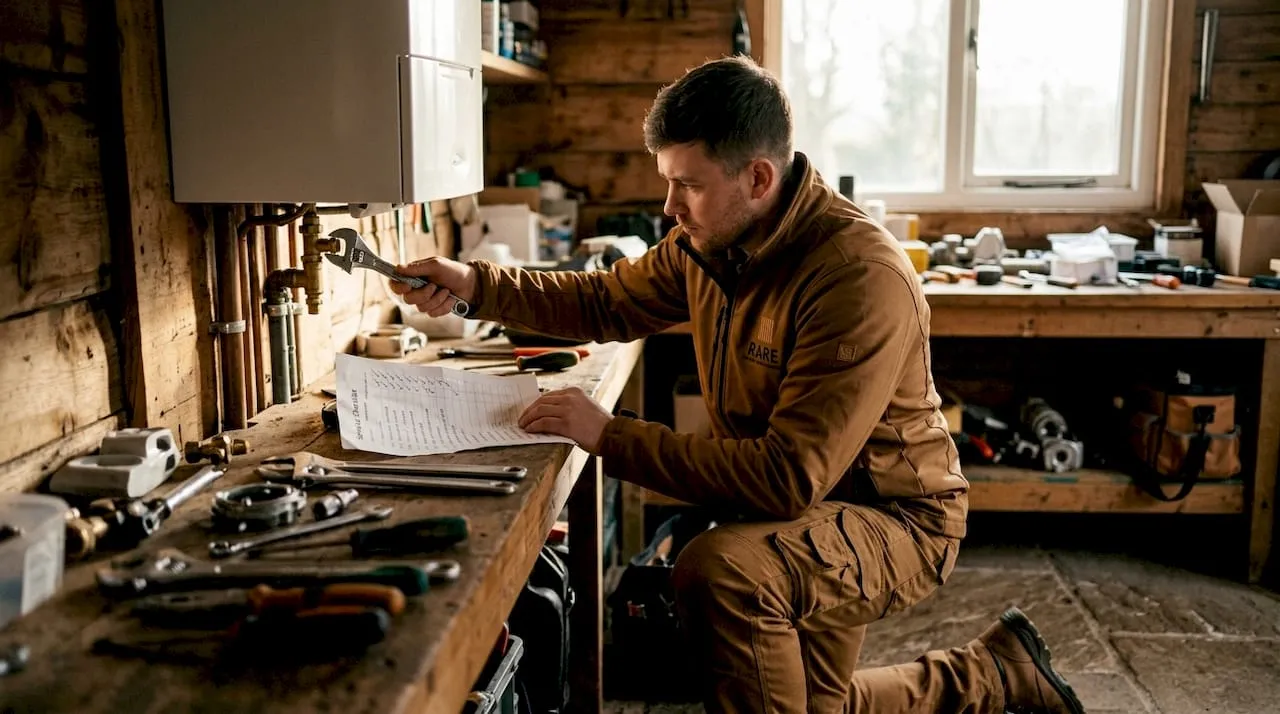
There is an important distinction between a gas safety check and a full service. A gas safety check, legally required annually for rental properties, confirms the appliance is safe to operate. A full service goes further: the engineer cleans internal components, checks heat exchangers, tests controls, and identifies parts approaching the end of their working life. Landlords and property managers should arrange both, not treat one as a substitute for the other.
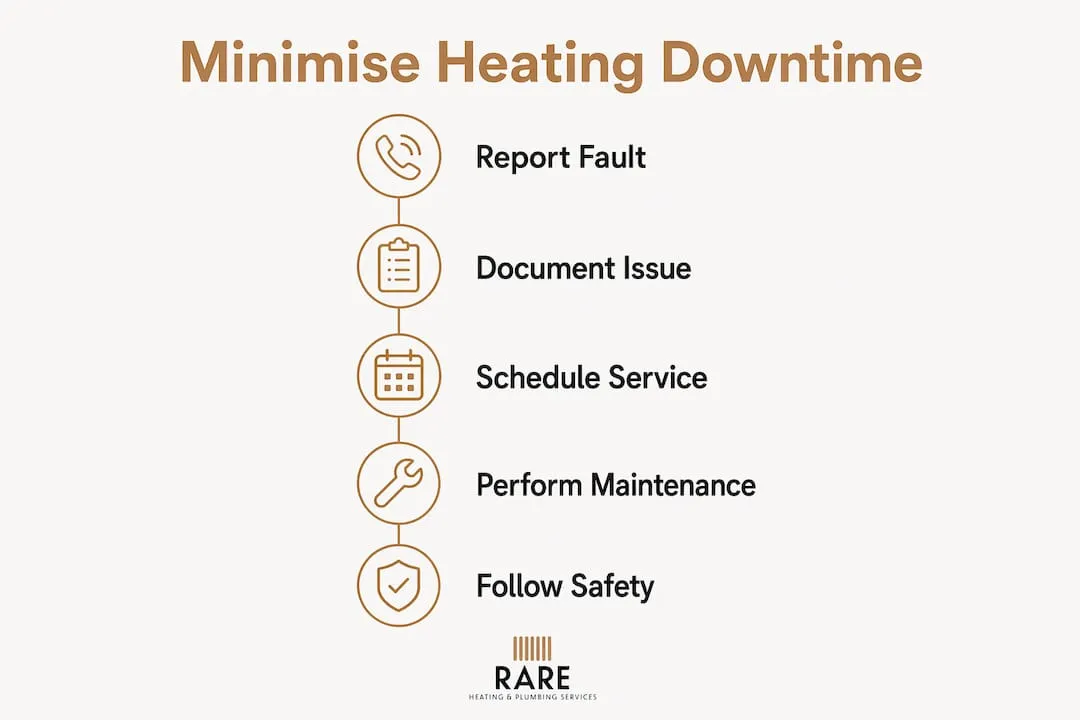
A structured maintenance approach covers these steps in order:
- Book annual servicing with a Gas Safe registered engineer before the heating season begins, ideally in late summer or early autumn.
- Inspect the condensate pipe during the service visit. Insulating external condensate pipes with foam sleeves prevents the most common cause of winter boiler lockouts: frozen pipes in sub-zero temperatures.
- Check system pressure at the boiler gauge. A reading below 1 bar indicates a pressure loss that needs addressing before the system shuts down.
- Bleed radiators at the start of each heating season to remove trapped air, which reduces efficiency and can mask developing faults.
- Test thermostats and controls to confirm they respond correctly, as a faulty thermostat can mimic a boiler fault and cause unnecessary callouts.
Pro Tip: Book your annual boiler service in august or september, before demand peaks. Engineers are easier to schedule and any faults found can be fixed before the first cold snap arrives.
Proactive preventive maintenance measures like these reduce the likelihood of emergency callouts significantly. For property managers handling multiple properties, a rolling maintenance schedule ensures no unit misses its annual check.
What safe steps can tenants take to help minimise heating downtime?
Tenants can take several practical steps without touching any gas components. Monthly checks by tenants such as bleeding radiators and monitoring boiler pressure catch subtle performance issues well before total failure. These tasks require no specialist knowledge and take less than ten minutes.
The safe actions tenants should carry out regularly include:
- Check boiler pressure monthly. The gauge on the boiler front should read between 1 and 1.5 bar when the system is cold. A reading below 1 bar means the system needs repressurising via the filling loop, a task most manufacturers describe in the boiler manual.
- Bleed radiators when they feel cold at the top. Air trapped in the radiator prevents hot water from circulating fully. After bleeding, check boiler pressure again and top up if it has dropped below 1 bar.
- Note any fault codes displayed on the boiler. Write down the code and report it to the landlord or property manager immediately. Do not attempt repeated manual resets. Forcing repeated resets causes internal damage that turns a minor fault into a full replacement job.
- Test carbon monoxide and smoke alarms monthly. Press the test button and replace batteries as needed. A functioning carbon monoxide alarm is a legal requirement in any room with a gas appliance.
- Never attempt DIY repairs on gas components. All gas appliance work must be carried out by a Gas Safe registered engineer. Unauthorised work voids warranties, invalidates insurance, and creates serious risk of carbon monoxide exposure or gas leaks.
Pro Tip: Take a photo of the boiler display whenever a fault code appears. That image gives the engineer an instant diagnosis before they arrive, cutting the time needed to identify and fix the problem.
The Gas Safe Register is clear that no internal boiler repairs are permitted by anyone other than a registered engineer. Early professional intervention, triggered by a tenant’s prompt report, is always safer and cheaper than a delayed DIY attempt.
How to respond promptly and effectively if heating downtime occurs?
Speed of response determines how long tenants go without heat. The moment a heating fault appears, the priority is to create a written record and contact the landlord or property manager. Waiting even a day to report a fault in winter can push the repair timeline past the point where emergency attendance is expected.
Follow these steps in order when heating fails:
- Report the fault in writing immediately. Send an email or text with the date, time, and a description of the fault. If the boiler displays a fault code, include it. This written notice starts the landlord’s legal repair clock.
- Allow access for the engineer. Refusing or delaying access for a repair visit extends downtime and can affect the tenant’s legal position. Agree on a time promptly and be available.
- Avoid forcing the boiler to restart repeatedly. One reset attempt is reasonable. Multiple forced resets risk internal damage that escalates a simple repair into a full replacement.
- Request temporary heating if repairs are delayed. Landlords are expected to provide portable electric heaters if permanent repairs cannot be completed within a reasonable period. This is not a courtesy; it is an expectation under Section 11.
- Keep all records. Save every email, text, and engineer visit note. If the dispute escalates, this documentation is the foundation of any formal complaint or legal claim.
“Reporting delays by tenants are the most common cause of emergency heating failures during peak cold demand. A fault reported on day one is a repair. The same fault reported two weeks later is often a crisis.” Property management experts consistently identify late reporting as the factor that turns manageable faults into extended outages.
For guidance on handling a heating emergency at home, having a clear action plan before a fault occurs makes the difference between a one-day fix and a week without heat.
Key takeaways
Reducing heating downtime requires tenants and property managers to act early, communicate in writing, and leave all gas work to Gas Safe registered engineers.
| Point | Details |
|---|---|
| Written reporting triggers repairs | Send a written fault report immediately to start the landlord’s legal repair timeline. |
| Annual servicing prevents failures | Gas Safe engineers catch worn parts and pressure faults before they cause breakdowns. |
| Tenant checks catch early faults | Monthly pressure checks and radiator bleeding identify problems before total system failure. |
| Avoid repeated boiler resets | One reset is reasonable; multiple forced resets cause internal damage and increase repair costs. |
| Temporary heating is a legal expectation | Landlords must provide portable heaters if permanent repairs are delayed beyond a reasonable period. |
Why tenant involvement matters more than most people realise
Property management experts consistently point to tenant reporting delays as the leading cause of emergency heating failures. That finding surprises people. Most assume boiler failures are purely mechanical. In practice, the majority of winter heating crises I see could have been resolved in a single visit if the fault had been reported at the first sign of trouble.
The pattern is always the same. A tenant notices a radiator running cold or a boiler pressure drop. They assume it will sort itself out, or they do not want to bother the landlord. Three weeks later, the system fails completely on a freezing night. What would have been a £150 repair becomes a £900 emergency callout, sometimes more.
The other mistake I see regularly is tenants attempting to fix things themselves. I understand the impulse. Waiting for a landlord to arrange an engineer feels slow. But touching gas components without Gas Safe registration is genuinely dangerous, not just a rule for the sake of it. Carbon monoxide has no smell. It gives no warning. The safety boundary exists because the consequences of crossing it can be fatal.
My honest advice to any tenant: treat your boiler like a car warning light. The moment something looks or sounds different, report it in writing the same day. You are not being difficult. You are doing exactly what the law and common sense require.
— Paresh
Rareplumbing: keeping your heating reliable all year
Rareplumbing’s Gas Safe registered engineers provide annual boiler servicing designed to catch faults before they become failures. With over 25 years of experience serving Central London properties, the team offers fixed quotes before any work begins, so there are no unexpected costs.
Property managers overseeing multiple units can benefit from Rareplumbing’s heating maintenance plans, which cover scheduled servicing, priority emergency response, and full compliance support. For urgent faults, Rareplumbing guarantees a 2-hour emergency response across Central London. Book a service or request a quote through the Rareplumbing membership page to keep your heating system reliable through every season.
FAQ
How quickly must a landlord repair a broken boiler?
Emergency heating repairs are expected within 24 hours in winter for total heating loss. Routine faults typically follow a 3–5 working day timeline under standard repair obligations.
What should a tenant do first when heating fails?
Report the fault in writing immediately, including the date, time, and any fault codes displayed. Written notice starts the landlord’s legal repair clock under Section 11 of the Landlord and Tenant Act 1985.
Can a tenant bleed their own radiators?
Yes. Bleeding radiators is a safe, non-gas task tenants can carry out themselves. After bleeding, check the boiler pressure and top up via the filling loop if it drops below 1 bar.
Is it safe to keep resetting a boiler that keeps cutting out?
One reset attempt is reasonable. Repeated forced resets cause internal damage and can turn a minor fault into a full boiler replacement. Report the fault code in writing and wait for a Gas Safe engineer.
Who pays for heating repairs in a rented property?
Landlords are legally responsible for the cost of repairing and maintaining the heating system under Section 11 of the Landlord and Tenant Act 1985. Tenants are not liable unless the damage was caused by deliberate misuse or neglect.
Recommended
Talk to a specialist today.
Our Gas Safe engineers are available same-day across Central and North London. No call-out charge quoted upfront. No obligation.
Related Services