
Quick Answer
Discover what a heating system flush is and why it's essential for maintaining your boiler’s efficiency and longevity. Learn more now!
What is a heating system flush (powerflush)?
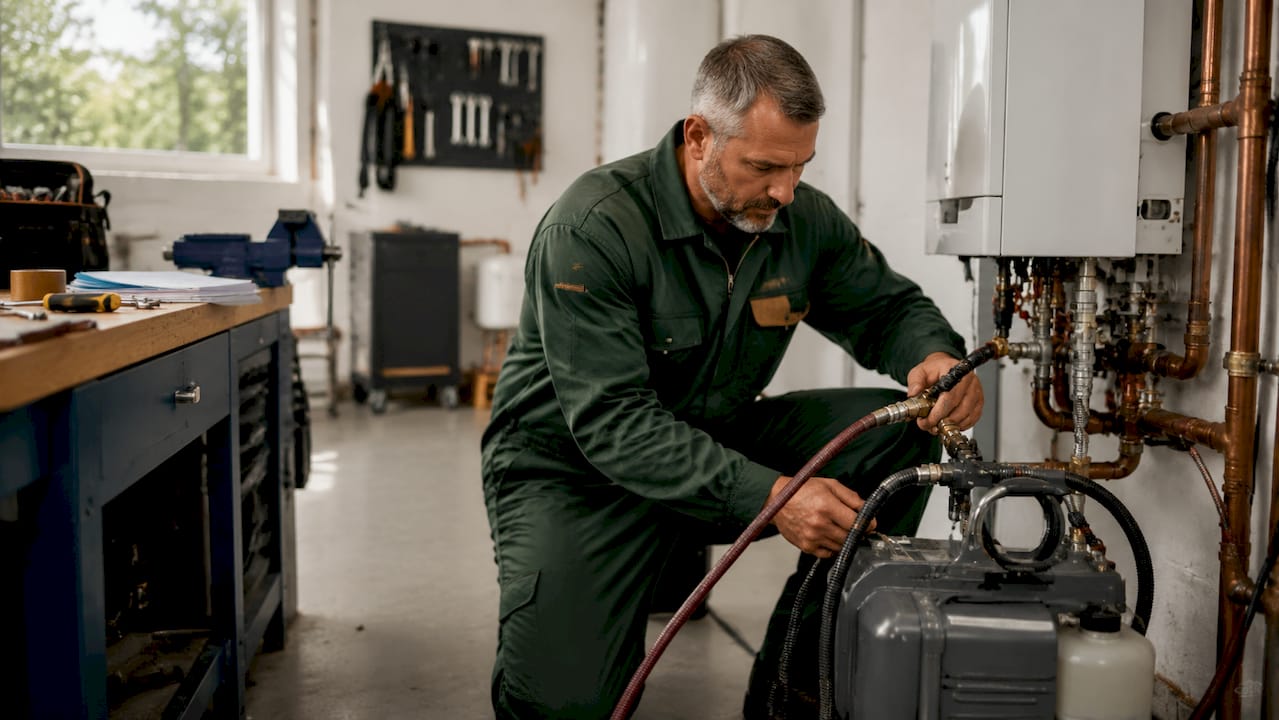
A heating system flush is a professional cleaning process that removes sludge, rust, and debris from your central heating circuit, covering the boiler, pipes, and radiators. The industry term for the most thorough version is a powerflush. Over time, corroding metal inside your pipework produces magnetite, a black, muddy deposit that restricts water flow and forces your boiler to work harder than it should.
The process is carried out by a Gas Safe registered engineer and, when done properly, must comply with BS 7593, the British Standard governing water treatment in domestic heating systems. Manufacturers including Vaillant and British Gas reference BS 7593 compliance as a condition of boiler warranty validity.
A powerflush differs from a basic chemical flush in intensity and equipment. Key characteristics of a full powerflush:
- Uses a dedicated external pumping machine, not the system’s own pump
- Circulates water and chemical cleaners at high velocity through every part of the circuit
- Takes 4–10 hours depending on system size and contamination level
- Addresses the entire heating circuit, including individually isolated radiators
- Finishes with a neutraliser and inhibitor dose to protect against future corrosion
Why your heating system needs flushing and when to act
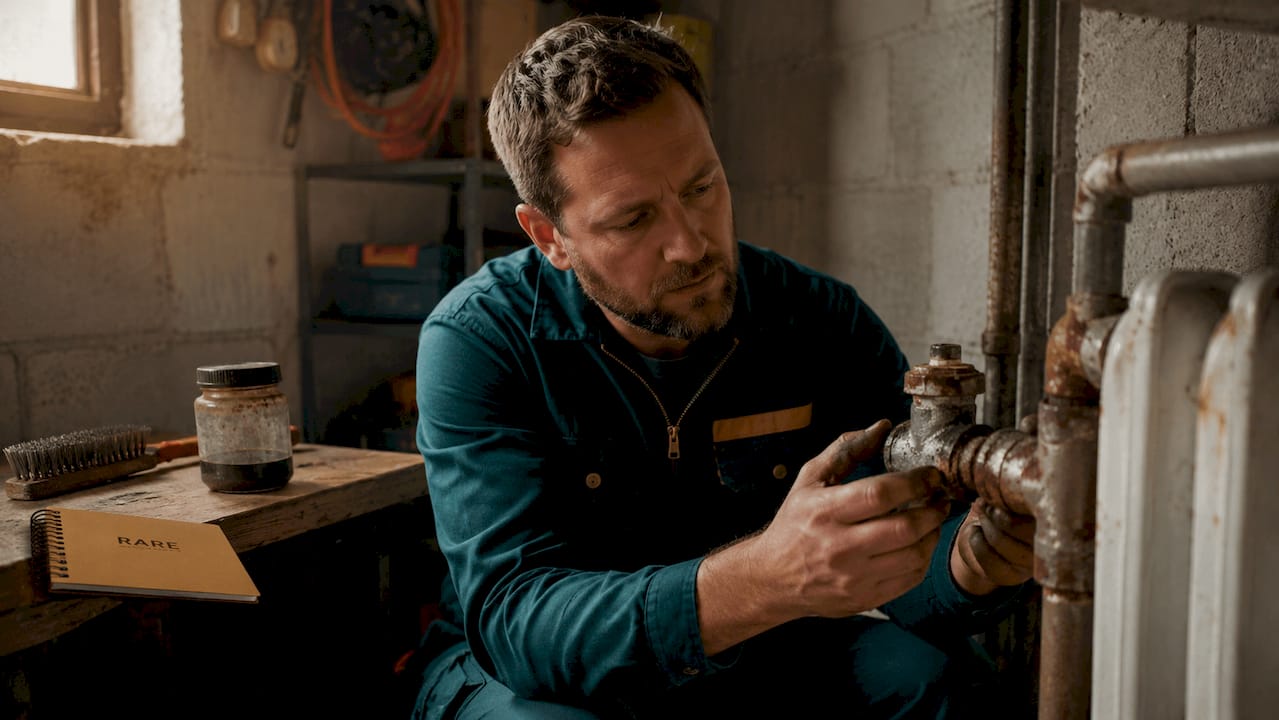
Sludge accumulation is gradual, which is why many homeowners only notice a problem when their heating bills climb or radiators stop warming evenly. Left unchecked, magnetite deposits block circulation, accelerate internal corrosion, and can cause premature boiler failure.
BS 7593 compliance is not just good practice. Boiler manufacturers, including Vaillant, may void warranties if the system is not properly cleaned during installation or major remedial work. That makes flushing a financial consideration as much as a maintenance one; for detailed guidance on selecting appropriate flush methods before new boiler commissioning, see the Complete guide to solar boiler installation for Flemish homeowners.
Signs your system needs attention:
- Cold spots on radiators, particularly at the bottom where sludge settles
- Rattling, banging, or kettling sounds from the boiler
- Dirty or discoloured water when you bleed a radiator
- Radiators taking noticeably longer to heat up
- Boiler cutting out repeatedly or losing pressure
Heating professionals recommend a powerflush every 5–6 years as routine heating system maintenance, or sooner if any of the above symptoms appear. A flush is also strongly advisable when fitting a new boiler to an older system, since a new appliance connected to a contaminated circuit will degrade far faster than its design life suggests.
Pro Tip: Before any new boiler installation, ask your engineer to test the system’s pH balance. This chemical check reveals the level of corrosive elements present and determines whether a full powerflush or a simpler dynamic flush is actually needed.
How a heating system flush is performed, step by step
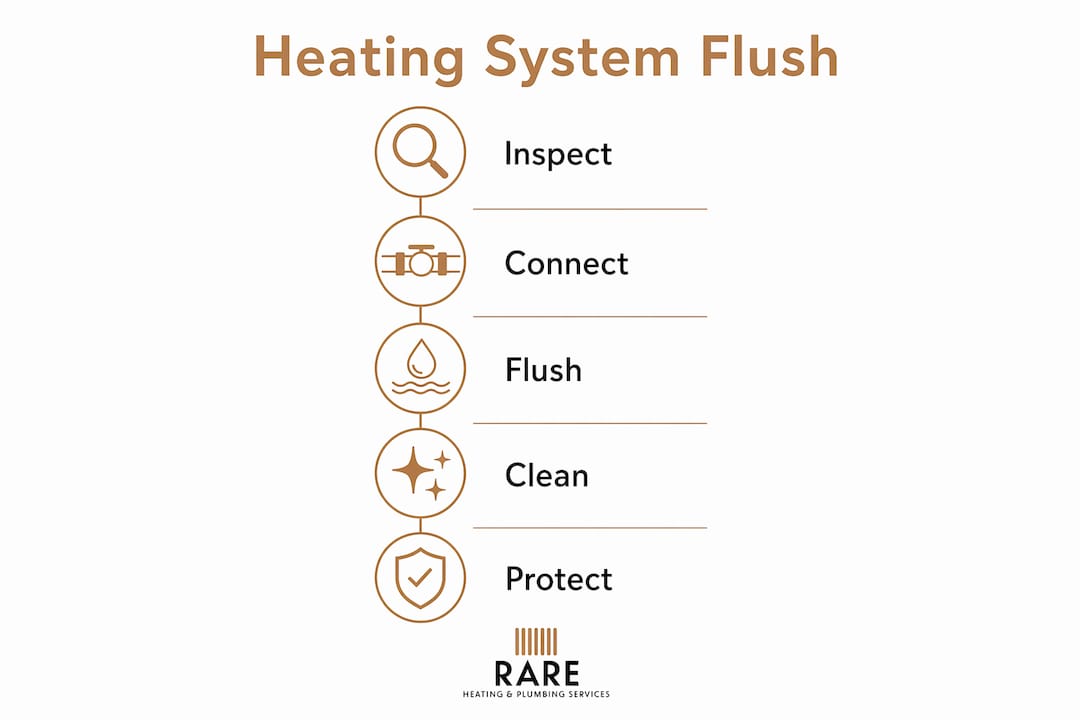
Understanding the process helps you know what to expect on the day and ask the right questions of your engineer. A full powerflush typically runs as follows:
- Pre-flush assessment. The engineer inspects pipework, radiators, and the boiler for signs of weakness or corrosion. Older systems with rusty radiators or suspect pipework may need component replacement before flushing begins, since the pressure involved can expose hidden leaks where sludge was acting as a temporary seal.
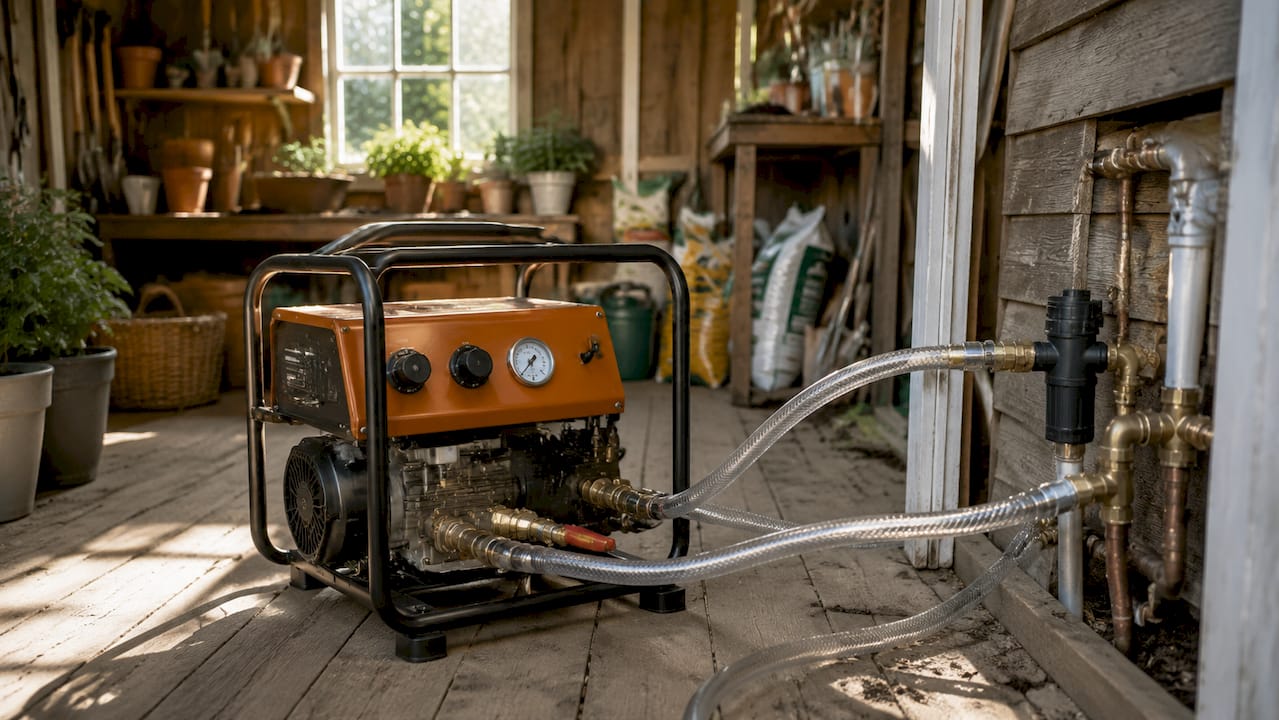
- Machine connection. A pumping station is connected directly to the system, either at the pump head, the circulation pump, or across the tails of a radiator.
- Initial circulation. The engineer flushes the whole system with water in both directions for roughly 90 minutes, dislodging settled debris and discharging it to drain.
- Chemical clean. A chemical cleaner is added to the pump reservoir and circulated throughout the circuit. Each radiator is isolated in turn so the full flow passes through it individually, mobilising and removing contaminants.
- Agitation where needed. For heavily contaminated radiators, an agitator tool can be used to physically break up stubborn sludge deposits.
- Final flush. Clean water is forced through the entire circuit until it runs clear, with all contaminated liquid disposed of responsibly.
- Neutralisation. Because residual acid causes internal corrosion, the engineer adds a chemical neutraliser and checks the pH balance before proceeding.
- Inhibitor dosing. A dose of inhibitor fluid is added to prevent future corrosion and slow sludge re-accumulation. This step is a BS 7593 requirement and should never be skipped.
A chemical flush follows a similar principle but relies on the system’s own pump rather than an external machine. It costs less and suits systems with lighter contamination, but it is less effective against heavy sludge. A dynamic flush, which uses clean mains pressure water without chemicals, is the minimum standard applied during new boiler installations, though it may not remove sludge effectively in older or heavily contaminated systems.
The real benefits of flushing your heating system
The case for a powerflush goes beyond cleaner pipes. Here is what a properly executed flush actually delivers:
- Faster, more even heat distribution. Removing blockages restores full water circulation, so radiators warm up quicker and heat the room more evenly.
- Extended boiler lifespan. Powerflushing can extend boiler life by up to 10 years by eliminating the acidic sludge that corrodes internal components.
- Lower energy bills. A system free of deposits runs at the efficiency it was designed for, rather than compensating for restricted flow with longer run times.
- Reduced breakdown risk. Sludge is a leading cause of pump failure, valve seizure, and heat exchanger damage. Removing it cuts the likelihood of those costly repairs.
- Warranty and compliance protection. Flushing to BS 7593 standards keeps boiler warranties intact and satisfies building regulations requirements for new installations.
One point worth understanding: a powerflush addresses circulation problems caused by sludge. It does not repair mechanical faults. A broken valve, a failed pump, or a loss of pressure requires separate diagnosis and repair, regardless of how clean the system water is.
How much does a heating system flush cost in the UK?
Powerflush pricing in 2026 varies by property size, number of radiators, and location. London and the South East consistently sit at the higher end of the range.
| Property type | Radiators | Typical powerflush cost |
|---|---|---|
| 1–2 bed flat | Up to 6 | £300–£450 |
| 3 bed house | 7–10 | — |
| 4 bed house | 11–14 | £550–£750 |
| Larger properties | 15+ | £900 + |
A chemical flush costs considerably less, typically £150–£300, and suits systems less than five years old with only mild contamination. For properties with visible cold spots, noisy radiators, or years without any maintenance, a full powerflush is the more thorough option.
Factors that push costs up:
- Heavily contaminated systems requiring extended flushing time
- Older pipework needing pre-flush inspection or component replacement
- Properties in London and the South East, where labour rates are higher
- Large or complex systems with many radiators or unusual configurations
The heating system sludge that builds up in neglected circuits is the single biggest driver of premature boiler replacement. Weighed against the cost of a new boiler, a powerflush at £300–£900 is straightforward value.
After any flush, fitting a magnetic filter and dosing the system with inhibitor are the two steps that prevent rapid recontamination. Skipping either one means the system will accumulate sludge again far sooner than the recommended 5–6 year interval. For managed buildings and luxury properties, Rareplumbing’s power flush service in London covers the full process, from pre-flush assessment through to inhibitor dosing and filter installation.

Rareplumbing’s Gas Safe registered engineers serve Central London with fixed quotes before any work begins. Whether you manage a single townhouse or a portfolio of properties, contact Rareplumbing for a boiler service or powerflush assessment with no hidden costs.
Key takeaways
A powerflush is the most effective way to restore heating efficiency, protect your boiler warranty, and prevent costly breakdowns caused by magnetite sludge.
| Point | Details |
|---|---|
| Powerflush vs chemical flush | Powerflush uses an external pump for 4–10 hours; chemical flush uses the system pump and suits lighter contamination. |
| Recommended frequency | Every few years, or sooner if cold spots, noisy pipes, or dirty radiator water appear. |
| UK cost range | £300–£900 for a powerflush depending on property size (e.g. £300–£450 for small flats, £550–£750 for larger houses); £150–£300 for a chemical flush. |
| BS 7593 compliance | Flushing to this British Standard protects boiler warranties and meets building regulations for new installations. |
| Post-flush essentials | Inhibitor dosing and magnetic filter installation prevent rapid sludge re-accumulation after any flush. |
FAQ
How much does a heating system flush cost in the UK?
A powerflush typically costs £300–£900 in 2026, depending on the number of radiators and your location, with London and the South East at the higher end. A chemical flush is less intensive and costs £150–£300.
How often should a central heating system be flushed?
Every 5–6 years is the standard recommendation, or sooner if you notice cold spots on radiators, unusual boiler noises, or discoloured water when bleeding a radiator.
Is it worth flushing a central heating system?
Yes, particularly if the system is more than five years old or showing symptoms of sludge buildup. Powerflushing can extend boiler lifespan significantly and restores the efficiency the system was designed to deliver.
What are the downsides of power flushing?
The main risk is that the pressure involved can expose weaknesses in older pipework, causing leaks where corroded sections were previously sealed by sludge. A thorough pre-flush assessment by a Gas Safe engineer reduces this risk considerably. Powerflushing also does not fix mechanical faults such as broken valves or pump failures.
Recommended
Talk to a specialist today.
Our Gas Safe engineers are available same-day across Central and North London. No call-out charge quoted upfront. No obligation.
Related Services