

Quick Answer
Discover effective examples of preventative plumbing maintenance to catch issues early. Protect your home and avoid costly repairs with our 2026 guide.
TL;DR:
- Preventative plumbing maintenance involves regular inspections and testing to catch minor faults early before they become costly.
- Following a scheduled routine, such as monthly visual checks and six-monthly stopcock tests, helps property owners prevent water damage and comply with legal obligations.
Preventative plumbing maintenance is defined as the practice of performing regular inspections, tests, and servicing tasks to catch minor faults before they become costly failures. For homeowners and property managers, examples of preventative plumbing maintenance range from two-minute monthly checks under kitchen sinks to annual Gas Safe inspections required by UK law. Industry guidance for 2026 recommends a tiered schedule of monthly and quarterly checks covering stopcocks, drainage, and exposed pipework. Landlords who ignore these obligations risk criminal prosecution under the Gas Safety (Installation and Use) Regulations 1998, with unlimited fines and custodial sentences for severe negligence.
1. Monthly visual inspection of under-sink cupboards
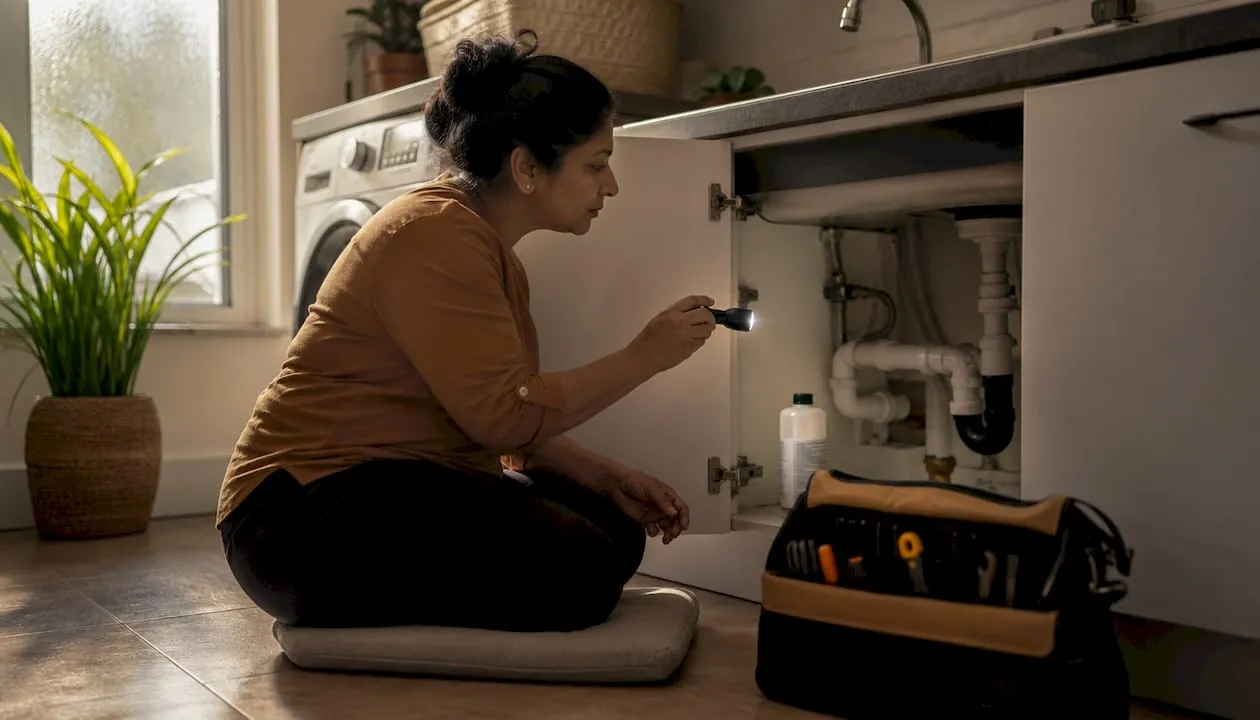
The fastest way to catch a developing leak is a two-minute look inside every under-sink cupboard in your property. Damp patches, swollen cabinet bases, or a faint musty smell are all early indicators of a slow drip from a flexi hose or compression joint. Left unchecked, these small leaks rot timber, encourage mould, and can eventually cause ceiling water damage in the floor below.
- Open every under-sink cupboard and look for moisture, staining, or swollen wood.
- Run the tap and watch all visible joints for drips under pressure.
- Check the condition of flexi hoses. Replace any that show kinking, corrosion, or bulging.
- Smell for mustiness, which often signals water damage hidden behind panels.
Pro Tip: Limescale crust around a joint does not always mean an active leak, but it does mean water has been there before. Treat any crusty deposit as a warning and investigate further.
2. Testing stopcocks every six months
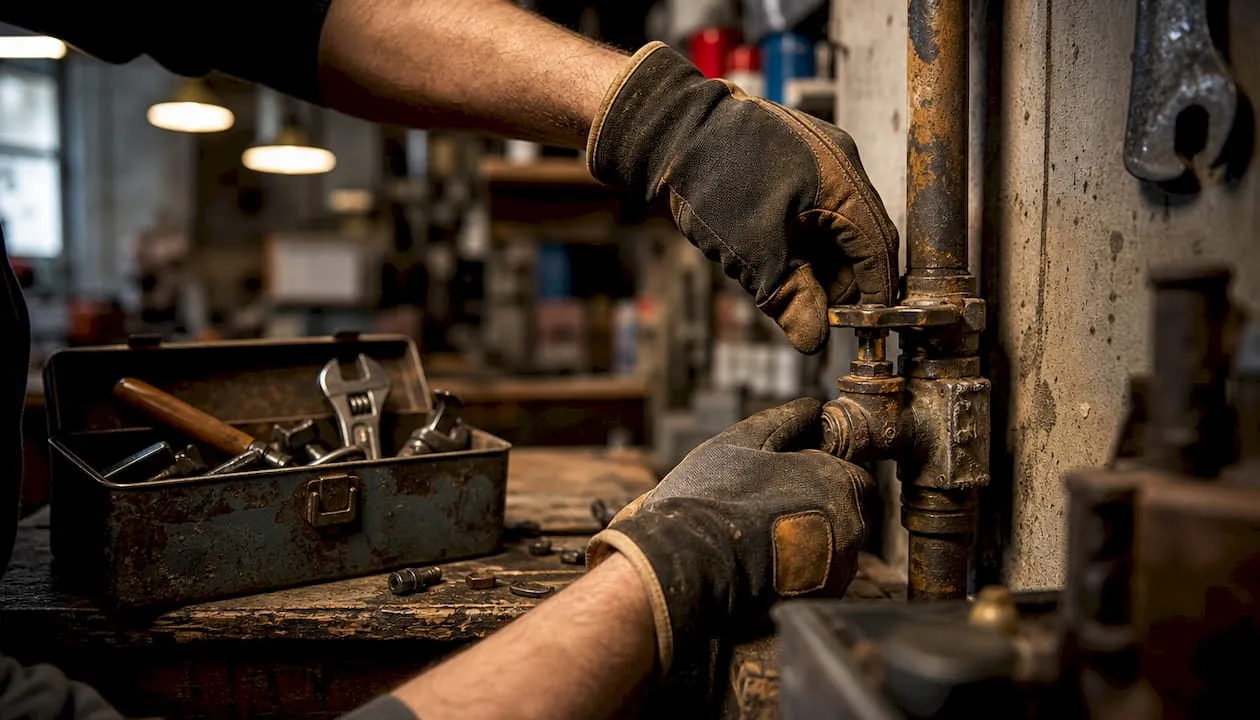
Stopcocks seize with rust when left untouched for years, and most homeowners only discover this during an emergency. A seized stopcock means you cannot isolate the water supply when a pipe bursts, turning a manageable repair into a flood. Turn every stopcock a quarter-turn clockwise and back again every six months to keep the mechanism free. If a stopcock feels stiff, apply a small amount of penetrating oil and work it gently rather than forcing it.
3. Checking drain covers and traps for blockages
Slow drainage is the first sign of a partial blockage, and partial blockages always worsen over time. Check every drain cover monthly and clear any debris, hair, or grease build-up you find. In kitchens, run very hot water down the drain for two minutes after washing up to flush residual grease before it solidifies. Avoid pouring cooking fats or oils down any drain. They cool, solidify, and bind with other debris to form blockages that require professional clearing.
4. Quarterly inspection of exposed pipework and valves
Every three months, walk through your property and examine all visible pipework. Look for corrosion, green or white mineral deposits, and any joint that appears wet or stained. Pay particular attention to pipework in loft spaces, under floors, and in utility rooms, as these areas are rarely visited and faults go unnoticed longest. Mineral build-up from hard water is a particular problem in London and the South East, stressing valves and reducing their lifespan without regular descaling.
- Inspect all visible pipes for corrosion, staining, or damp patches.
- Check isolation valves on toilets, basins, and appliances. Turn them to confirm they move freely.
- Descale taps, showerheads, and visible valve bodies using a proprietary descaler or white vinegar.
- Test water pressure at a tap. A noticeable drop from your usual flow can indicate a developing leak or a partially closed valve.
Pro Tip: If you notice low water pressure across multiple outlets simultaneously, the cause is likely upstream of your property. Contact your water supplier before assuming an internal fault.
5. Seasonal maintenance: winter-proofing your pipes
Frozen pipes are the single most preventable cause of burst pipe emergencies in the UK. Before temperatures drop in november and december, insulate any exposed pipework in unheated spaces such as lofts, garages, and outbuildings using foam lagging. Fit insulating covers to outdoor taps. If your property is left unoccupied for more than a few days during cold weather, set the heating to a minimum of 12°C to keep pipework above freezing. A burst pipe repair in a luxury property can run to thousands of pounds in water damage alone, making a few pounds of pipe lagging one of the best investments you can make.
6. Spring maintenance: checking for frost damage and clearing drains
Spring is the right time to assess what winter has done to your system. Inspect all outdoor pipework and taps for hairline cracks caused by freezing. Check gutters and downpipes for blockages from winter debris, as overflowing gutters push water against walls and into foundations. Run all outdoor taps to confirm they flow freely and check the joints for drips. Inside, flush kitchen drains with a kettle of boiling water to clear any grease that has solidified during the colder months. Rareplumbing recommends combining this spring check with a broader summer maintenance review to cover the full warm-weather period.
7. Annual gas appliance and flue inspection
UK law requires landlords to have all gas appliances and flues inspected annually by a Gas Safe registered engineer. The resulting document is the CP12 Gas Safety Certificate. CP12 records must be kept for at least two years and provided to tenants within 28 days of the inspection. Failure to comply is a criminal offence carrying unlimited fines or custodial sentences of 6–15 years for severe negligence. Even for owner-occupiers, an annual gas inspection is the most reliable way to confirm that appliances are burning safely and efficiently.
A Gas Safety Certificate (CP12) is a legal inspection, not a boiler service. The CP12 checks that appliances are safe to operate. A boiler service cleans internal components, replaces worn parts, and maintains efficiency. Combining both in a single annual visit saves time and reduces the risk of a mid-winter breakdown.
- Book your CP12 inspection and boiler service together to reduce call-out costs.
- Confirm your engineer is on the Gas Safe Register before any work begins.
- File your CP12 certificate immediately and set a calendar reminder for the following year.
- Provide a copy to each tenant within 28 days of the inspection date.
8. Annual professional system inspection
Beyond the gas safety check, a full annual inspection of your heating, hot water, and drainage systems catches faults that visual checks miss. A qualified engineer will test expansion vessels, pressure relief valves, and system pressure on your boiler. They will also check the condition of the hot water cylinder, anode rods where applicable, and any visible drainage runs. Heating systems are a legal repair obligation under Section 11 of the Landlord and Tenant Act 1985, and courts expect a professional response within 24–48 hours of a heating failure in winter. Proactive annual servicing is far cheaper than emergency call-outs and potential legal liability.
9. The quiet leak water meter test
A hidden leak can waste thousands of litres of water before it becomes visible. The water meter test is a simple way to detect one. Turn off every tap, appliance, and valve in the property. Note the reading on your water meter. Return after two hours without using any water. If the reading has changed, water is escaping somewhere in the system. This test costs nothing and takes minutes. For properties with suspected hidden leaks, professional acoustic leak detection can pinpoint the source without destructive investigation.
10. Recognising early warning signs and acting promptly
The biggest barrier to effective preventative maintenance is the out-of-sight, out-of-mind mentality. Subtle signs almost always precede major failures, and recognising them early is the difference between a minor repair and a major restoration.
- Musty or damp smells in rooms with no obvious source indicate moisture behind walls or under floors.
- Gurgling drains signal a partial blockage or a venting problem in the waste stack.
- Discoloured water from taps points to corrosion inside pipework or the hot water cylinder.
- Persistent low pressure at a single outlet suggests a partially blocked aerator or a failing valve.
- Gas or sewage smells require immediate professional attention. Do not attempt to investigate these yourself.
Signs such as gurgling drains and persistent low pressure indicate urgent problems that need professional assessment. Acting on these signals within 24 hours consistently prevents the kind of escalation that turns a £200 repair into a £5,000 restoration.
11. Comparison of preventative maintenance methods
Different maintenance approaches suit different properties and budgets. The table below sets out the main methods, their recommended frequency, and their practical value.
| Method | Frequency | Best suited to | Key benefit |
|---|---|---|---|
| Visual under-sink inspection | Monthly | All properties | Catches leaks before water damage spreads |
| Stopcock and valve testing | Every 6 months | All properties | Confirms emergency shutoff is operational |
| Water pressure check | Quarterly | Older properties | Detects hidden leaks and valve faults early |
| Professional system inspection | Annually | Rental and high-value homes | Covers legal obligations and complex faults |
| Gas Safety CP12 and boiler service | Annually | All properties with gas | Legal compliance and efficiency maintenance |
| Water meter quiet leak test | Annually or after suspicion | All properties | Detects hidden leaks at zero cost |
| Pipe insulation and winter-proofing | Before each winter | Properties with exposed pipes | Prevents burst pipes in cold weather |
For small owner-occupied homes, combining the monthly visual check with the six-monthly stopcock test covers the majority of common failure points. Rental properties require the full schedule, including the annual CP12 and professional system inspection, to meet legal obligations and protect against liability under Section 11.
Key takeaways
Consistent preventative plumbing maintenance, combining monthly visual checks, six-monthly stopcock tests, and annual professional inspections, is the most cost-effective way to protect any property from serious water damage and legal risk.
| Point | Details |
|---|---|
| Monthly checks save money | A two-minute under-sink inspection catches leaks before they cause structural damage. |
| Stopcocks must move freely | Test every stopcock every six months to confirm emergency shutoff works when needed. |
| CP12 and boiler service differ | Book both together annually to meet legal requirements and maintain boiler efficiency. |
| Early signs matter | Musty smells, gurgling drains, and low pressure all signal faults that worsen without action. |
| Landlords face legal risk | Section 11 and Gas Safety regulations require prompt professional responses to heating and gas faults. |
Why I think most property owners get maintenance backwards
Most homeowners and property managers treat plumbing maintenance as something you do after a problem appears. That instinct is understandable. Pipes are hidden, systems are quiet when they work, and there is always something more visible competing for attention. But the properties I have seen suffer the worst damage are almost never the ones with old systems. They are the ones where the owners were reactive rather than proactive.
The most common oversight I encounter is the neglected stopcock. Owners assume it works because they have never needed it. Then a pipe splits, they rush to turn off the water, and the stopcock will not move. The resulting flood causes ten times the damage a functioning stopcock would have prevented. That single six-monthly test takes thirty seconds.
The second oversight is treating the annual gas inspection as a box-ticking exercise rather than the foundation of a broader maintenance visit. Combining the CP12 with a boiler service and a general system check in one appointment costs less than three separate call-outs and gives you a complete picture of your system’s health. Build your maintenance routine around that annual visit and fill in the monthly and quarterly checks around it. That structure is simple, affordable, and genuinely protective.
— Paresh
Rareplumbing membership: planned maintenance made simple
Keeping up with a full plumbing maintenance schedule takes organisation, and it is easy for quarterly checks to slip when life gets busy. Rareplumbing’s membership programme is built specifically for homeowners and property managers who want expert support without the stress of managing it alone.
Members receive scheduled maintenance visits, priority access to Gas Safe engineers for CP12 inspections and boiler servicing, and a 2-hour emergency response guarantee across Central London. Fixed quotes are provided before any work begins, so there are no unexpected costs. With over 25 years of experience serving luxury residential and commercial properties, Rareplumbing brings the same rigour to routine maintenance that it applies to complex installations.
FAQ
What are the most important examples of preventative plumbing maintenance?
The most impactful examples include monthly under-sink visual inspections, six-monthly stopcock tests, annual Gas Safety CP12 inspections, annual boiler servicing, and the water meter quiet leak test. Together, these cover the majority of common failure points in residential and commercial plumbing systems.
How often should a landlord arrange a gas safety inspection?
UK law requires landlords to arrange a Gas Safety inspection by a Gas Safe registered engineer every 12 months. CP12 records must be kept for at least two years and provided to tenants within 28 days of the inspection.
What is the difference between a CP12 and a boiler service?
A CP12 is a legal safety check confirming gas appliances operate safely. A boiler service cleans internal components and replaces worn parts to maintain efficiency. The two are distinct tasks, though booking them together in one visit reduces cost and disruption.
How do I detect a hidden water leak at home?
Turn off all taps and water-using appliances, note your water meter reading, and check it again after two hours. If the reading has increased, water is escaping somewhere in the system. A professional leak detection service can then locate the source without unnecessary damage to walls or floors.
What signs indicate a plumbing problem needs urgent professional attention?
Gas or sewage smells, persistent low water pressure, gurgling drains, and water escaping from joints that cannot be isolated all require prompt professional assessment. Acting within 24 hours of noticing these signs consistently prevents minor faults from escalating into major repairs.
Recommended
Talk to a specialist today.
Our Gas Safe engineers are available same-day across Central and North London. No call-out charge quoted upfront. No obligation.
Related Services